
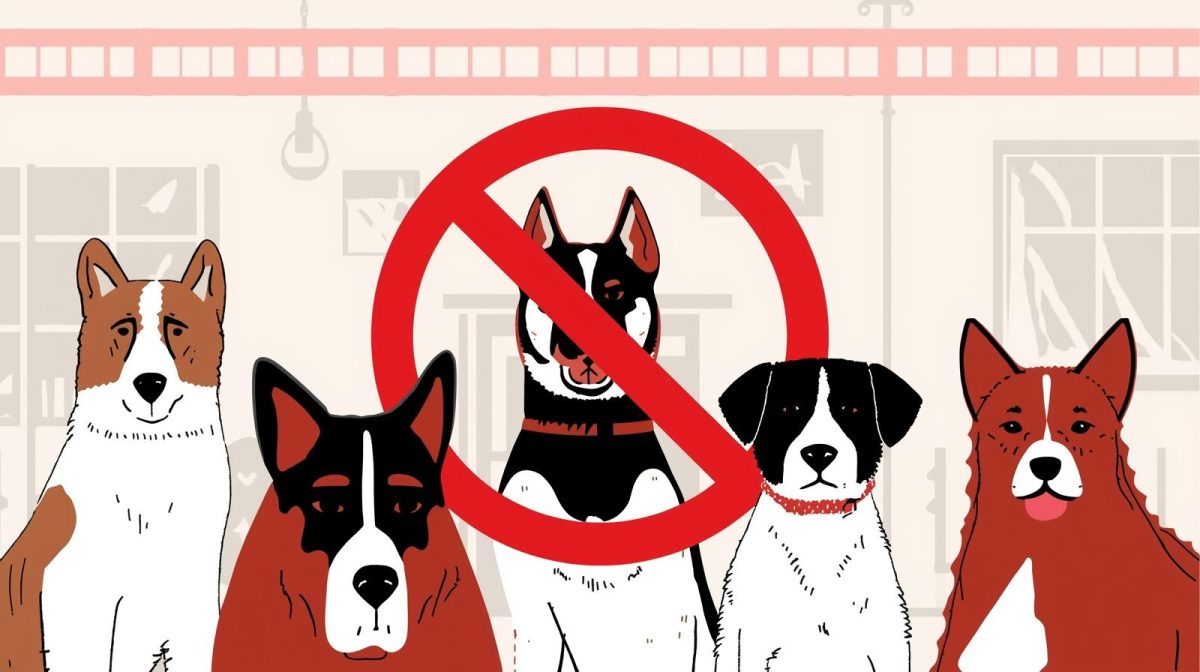
Finding a rental home that welcomes pets can be challenging especially if you own a large or powerful dog. While dogs bring companionship and joy, many apartment communities enforce breed restrictions based on safety concerns, insurance policies, or local regulations.
At Raj Properties, we believe informed renters make better housing decisions. This guide explains why certain dog breeds are often restricted, which breeds commonly appear on “aggressive dog” lists, and how pet owners can navigate apartment policies more confidently.
Key Takeaways
- Understand why apartment communities enforce dog breed restrictions
- Learn which dog breeds are commonly restricted in rental properties
- Get practical tips if you own a rescue or mixed-breed dog
- Explore apartment-friendly dog alternatives
Why Do Apartments Have Breed Restrictions?
Apartment complexes are shared living environments. Property owners must consider:
- Resident safety
- Insurance requirements
- Risk of property damage
- Noise and behavioral complaints
Dogs that are large, strong, highly territorial, or historically bred for guarding or hunting are more likely to face restrictions regardless of individual temperament.
It’s important to note that aggression is often influenced by training, socialization, and environment, but rental policies usually focus on breed reputation rather than individual behavior.
What Behaviors Are Considered “Aggressive”?
Dogs placed on restricted lists are often associated with behaviors such as:
- Excessive barking or growling
- Lunging or charging
- Snapping or baring teeth
- Biting or territorial aggression
- Strong prey drive toward smaller animals
These behaviors can be concerning in apartment hallways, elevators, and common areas.
20 Dog Breeds Commonly Restricted in Apartments
While policies vary by property, the following breeds are frequently restricted in apartment communities:
- American Pit Bull Terrier
- Rottweiler
- Akita
- Bullmastiff
- Doberman Pinscher
- German Shepherd
- Siberian Husky
- Chow Chow
- Cane Corso
- Great Dane
- Rhodesian Ridgeback
- Boxer
- Alaskan Malamute
- Dalmatian
- Fila Brasileiro (Brazilian Mastiff)
- Dogo Argentino
- Wolf Hybrid
- Boerboel
- Basenji
- Saint Bernard
Important: Being on this list does not mean these dogs are bad pets. Many are loyal, affectionate, and gentle when properly trained but their size, strength, or instincts raise concerns in shared residential spaces.
What About Rescue or Mixed-Breed Dogs?
If you own a rescue dog or a mixed breed, landlords may evaluate:
- Physical appearance
- Estimated breed mix
- Behavioral history
- Veterinary or training records
In some cases, renters successfully navigate restrictions by providing:
- Obedience training certificates
- Veterinary behavior assessments
- Pet resumes with references
However, the final decision always rests with the property owner or management.
Are Breed Restrictions Legal?
Yes in most cases.
Many rental properties follow breed-specific policies tied to insurance requirements. However, some U.S. states and cities discourage or prohibit breed-specific legislation and instead regulate dogs based on individual behavior.
Even so, private landlords and apartment communities often retain the right to enforce their own pet policies.
Apartment-Friendly Dog Breeds to Consider
If you’re searching for a rental and want fewer limitations, these dog breeds are generally more accepted:
- Shih Tzu
- Pug
- Maltese
- Bichon Frise
- Havanese
- French Bulldog
- Cavalier King Charles Spaniel
- Greyhound
- Golden Retriever
- Labrador Retriever
These breeds are typically known for their friendly temperament, manageable size, and adaptability to apartment living.
Final Thoughts for Pet-Owning Renters
Choosing the right apartment as a dog owner requires planning, honesty, and flexibility. Understanding breed restrictions in advance can save time, reduce stress, and help you find a home where both you and your pet feel welcome.
At Raj Properties, we help renters find homes that fit their lifestyle pets included. Always check pet policies before applying, and don’t hesitate to ask questions about size, breed, and training requirements.